PlantDoc: Plant Disease Classification
State-of-the-art plant disease classification with CBAM-augmented ResNet18, achieving 97.46% accuracy across 38 disease categories.

State-of-the-art plant disease classification with CBAM-augmented ResNet18, achieving 97.46% accuracy across 38 disease categories.

A sophisticated real-time collaborative parking space optimization system using advanced algorithms including dynamic pricing, smart routing, and demand prediction for urban environments.

Advanced machine learning pipeline for early sepsis detection using Random Forest, XGBoost, and Logistic Regression models with hyperparameter tuning.

A deep learning-based system for converting images of mathematical expressions into LaTeX code, using sequence-to-sequence architecture with CNN/ResNet encoder and LSTM decoder.

America's most wounded warriors are still fighting—but now it's against Congress. The Major Richard Star Act would end the cruel offset that steals retirement pay from 50,000 combat-injured veterans. It's time to keep our promise.

Explore how edge AI is transforming special operations with tactical-level data processing, human-machine teaming, and enhanced decision-making at the front lines—insights from a Green Beret turned AI developer.

Former Green Beret Medical Sergeant turned AI Engineer reveals how battlefield protocols MARCH/PAWS combined with explainable AI can revolutionize trauma care in austere environments.

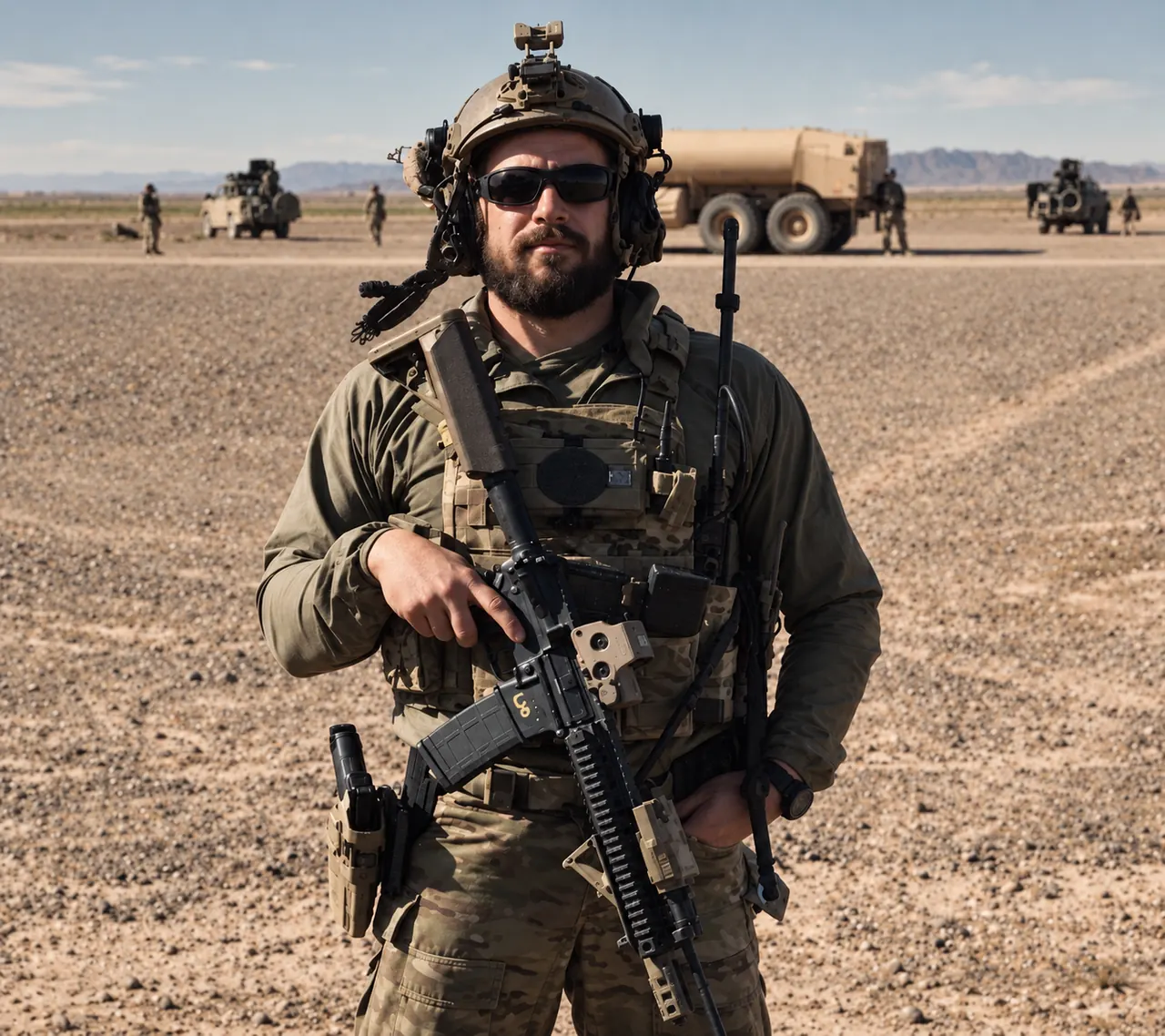
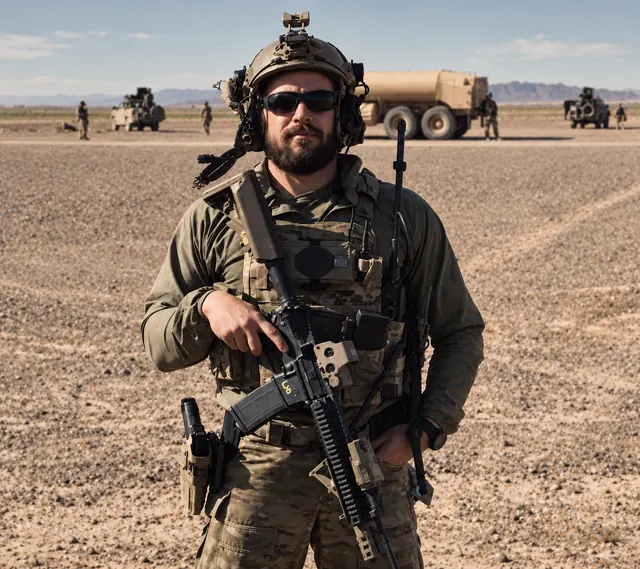
I'm Jeremy—a retired Special Forces Medical Sergeant now serving as Medical Innovation Officer (AI Engineer) at VetClaims.AI, where I build the AI systems that help veterans navigate the VA disability claims process. After eight years in 7th Special Forces Group running medical care under fire, I earned my M.S. in Artificial Intelligence from the University of Michigan-Dearborn in 2025 and brought both halves of that experience together at VetClaims.AI.
We've guided more than 23,000 veterans through their claims; my work sits on the engineering and clinical-evidence side—training models on VA rating criteria, structuring nexus-letter workflows, and turning a process that usually takes years into file-ready packages in 14 days. The mission is the same one that drove me as a medic: when a fellow service member needs help, you show up and you get it done.
With my M.S. in Artificial Intelligence from the University of Michigan-Dearborn completed in 2025, I'm now applying that work as Medical Innovation Officer (AI Engineer) at VetClaims.AI—bringing the same determination that saw me through five deployments to the mission of helping veterans get the benefits they deserve.
A snapshot of my professional background and technical expertise.