Skip to content
ClelandCo

Selected work

5 inspectable artifacts

Evidence, with the limits left in.

Selected systems, methods, and technical studies. Every entry says what exists, who contributed, what you can inspect, and what the artifact does not prove. Where a public figure exists, it is shown with a caption that states what the image is—and is not.

Evidence standard

This is not a client-results page. No entry implies a deployment, endorsement, revenue result, or production benchmark that the linked record cannot support.

Live tools are labeled live. Published methods are labeled methods. Academic and team work keep their original context and attribution. Relevance to an engagement describes the capability the artifact helps evaluate—not a customer outcome.

  1. Public-page technical-readiness tool

    Live public tool

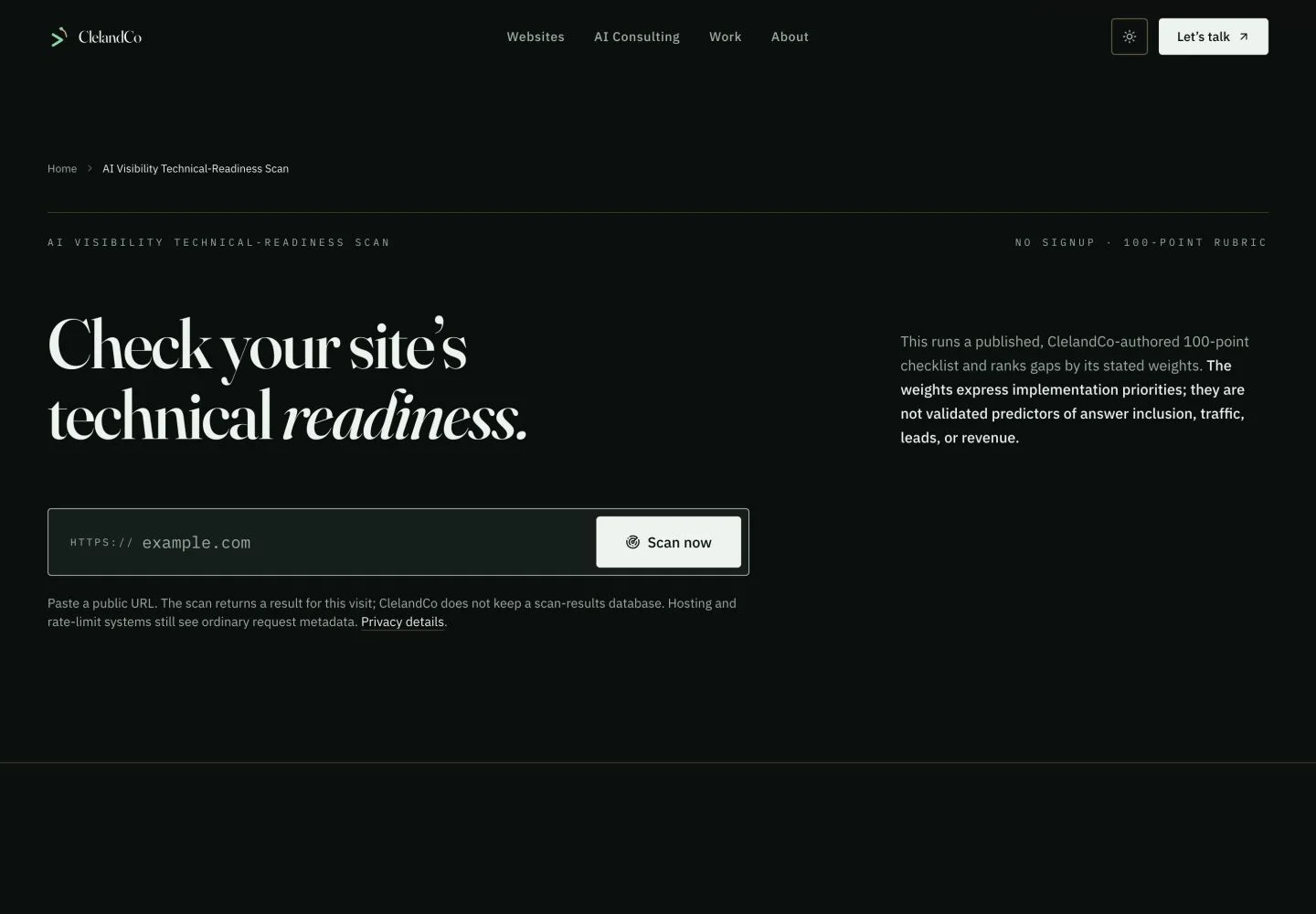
    AI Visibility Technical-Readiness Scan

    A no-signup check of one public page against a ClelandCo-authored technical-readiness rubric. The result exposes the weights, observed evidence, unmeasured evidence, and ranked gaps rather than presenting the score as an answer-inclusion prediction.
    Who did the work

    Designed, implemented, and maintained by Jeremy Cleland for ClelandCo.

    What the record demonstrates

    • A published, author-defined weighted checklist shared by the scanner explanation and scoring code
    • Fetch controls that cap DNS, redirects, response size, time, rate, and a limited robots-policy check — and say so in the result.
    • Findings limited to selected structured-data fields, HTML metadata, a limited crawler-policy check, and root discoverability files — not a full site audit.
    • Unmeasured signals are left out of both sides of the score rather than counted against the page

    What it does not prove

    • It does not observe the configured provider surfaces or any named consumer answer interface.
    • It does not inspect a Google Business Profile, reviews, or third-party directory consistency.
    • A readiness score is not a promise of placement, traffic, leads, or revenue.

    Inspect the evidence

    Consulting relevance

    AI Visibility Measurement

    The free scan checks selected site foundations. After live validation, the planned engagement is designed to add repeated provider sampling and scoped remediation.

  2. Operating and rehearsal method

    Published framework

    AI Contingency Framework

    A five-phase method for defining the mission, mapping the operating environment, comparing courses of action, rehearsing failure, and sustaining an AI system after launch. The full method and six rehearsal formats are public.

    Who did the work

    Authored and published by Jeremy Cleland for ClelandCo.

    What the record demonstrates

    • Falsifiable definitions of done and explicit stop conditions
    • Comparable build, buy, and hybrid courses of action with reasoning attached
    • Controlled exercises for prompt injection, data poisoning, dependency failure, bias, misuse, and recovery
    • Named artifacts for monitoring, decision records, incident response, and after-action review

    What it does not prove

    • It is a published method, not evidence of a client outcome or independent validation.
    • It is not a penetration test, compliance certification, or guarantee that every failure mode will be found.
    • The exercises have to be adapted to the actual system, data, authority, and threat model.

    Inspect the evidence

    Consulting relevance

    AI Strategic Advisor

    For a team that will run the work itself and needs the mission, criteria, and rehearsal design pressure-tested before they do.

    Fractional CAIO

    For a part-time executive mandate that has to own the framework and the cadence it runs on—not a method handed off without an owner.

  3. Model architecture and evaluation study

    Public technical study

    Image-to-LaTeX Sequence Model

    An academic sequence-to-sequence study for translating images of mathematical expressions into LaTeX. The public repository and report show the architecture alternatives, experiment configuration, training history, evaluation code, and tests.
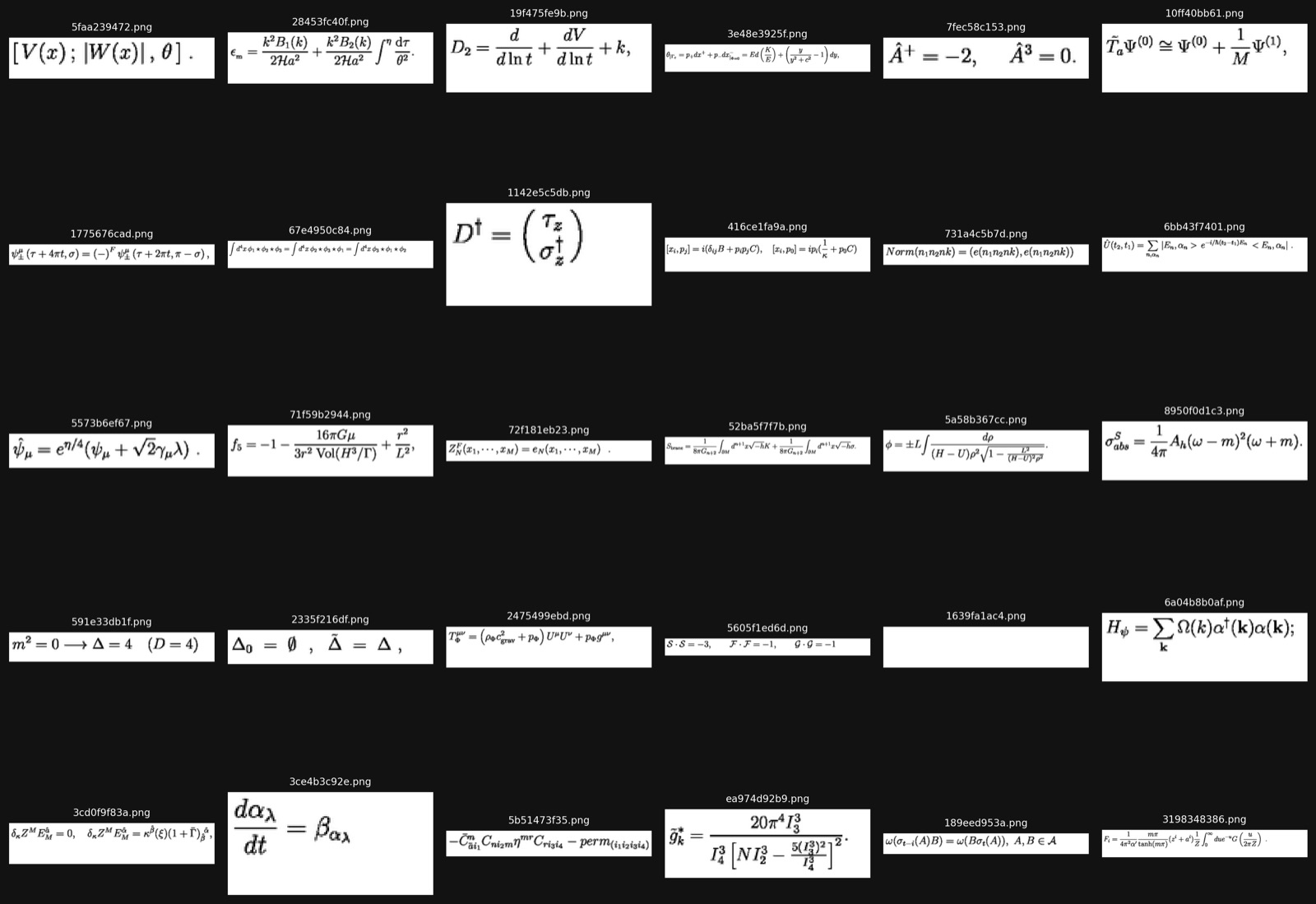
    Grid of printed mathematical formulas from the IM2LaTeX-100k dataset used in the image-to-LaTeX study.
    Sample formulas from the public study dataset. These are training examples, not a hosted converter or a production OCR product.

    Who did the work

    Independent academic project by Jeremy Cleland.

    What the record demonstrates

    • CNN and ResNet encoder alternatives paired with an LSTM decoder
    • Configuration, training, prediction, metric, and analysis code kept as inspectable artifacts
    • Tests for the data loader and encoder plus a static technical report

    What it does not prove

    • This is an academic experiment, not a hosted converter or production deployment.
    • The repository does not publish a trained checkpoint, and its experiment registry includes unfinished runs.
    • Published figures are validation results from the study, not claims about client or production performance.

    Consulting relevance

    AI Strategic Advisor

    Shows how architecture choices, experiment setup, and evaluation claims can be inspected before anyone treats a model result as production evidence.

    Fractional CAIO

    Shows the kind of architecture, experiment, and evaluation record a part-time executive would inspect before treating a model result as an operating input.

  4. Algorithms and system-design prototype

    Course team project

    Parking Optimization Simulation

    A university team simulation combining dynamic pricing, route optimization, demand forecasting, behavioral modeling, and city-level coordination. The source, tests, generated run artifacts, and static report are public.
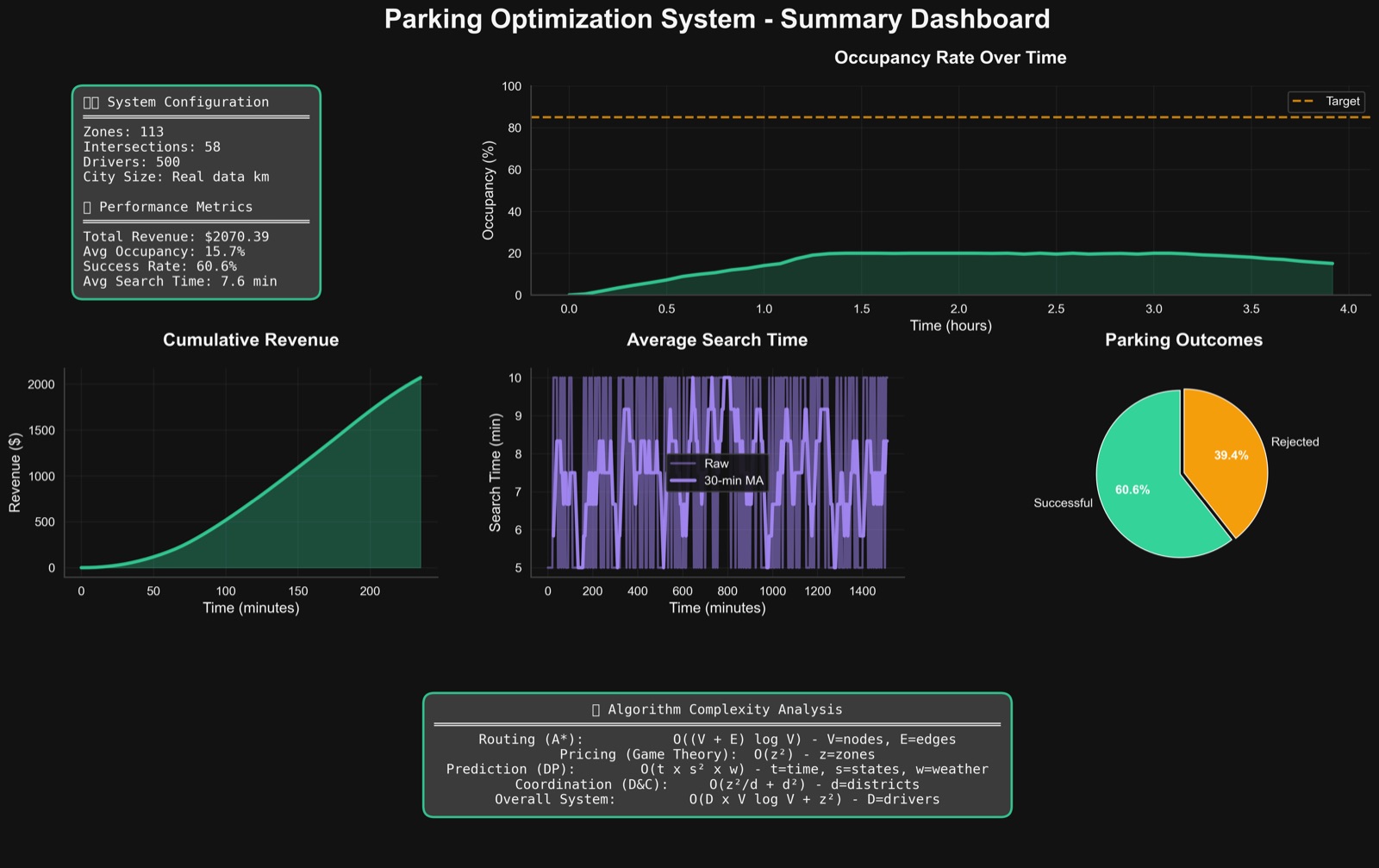
    Dark dashboard from the parking optimization course project showing occupancy, simulated revenue, search time, and algorithm complexity.
    Dashboard from a checked-in simulation run in the public report. Occupancy, revenue, and search-time figures are outputs of that run—not municipal or client results.

    Who did the work

    CIS 505 team project by Jeremy Cleland, Saif Khan, and Asem Zahran. Presented here with full team credit.

    What the record demonstrates

    • A decomposed simulation spanning pricing, routing, demand prediction, coordination, and driver behavior
    • Unit tests and checked-in run artifacts that make the prototype inspectable
    • Technical communication through an executable repository and static project report

    What it does not prove

    • This is a simulation and course project, not a municipal deployment or production traffic system.
    • It does not establish real-world throughput, latency, utilization, or revenue outcomes.
    • The work belongs to the credited team; it is not presented as a solo ClelandCo engagement.

    Consulting relevance

    AI Strategic Advisor

    For reviewing how a prototype was decomposed, what it assumes, and how it was evaluated—before treating the simulation as a plan.

    Fractional CAIO

    A prototype that can be reviewed for assumptions, evaluation, and what would have to be true before it belonged in an operating plan — not evidence that this simulation was deployed.

  5. Computer-vision evaluation study

    Public technical study

    PlantDoc Disease Classifier

    A CBAM-augmented ResNet18 study for classifying plant-leaf images into 39 disease and healthy classes. The public repository and report include the architecture, training history, confusion matrix, and labeled classification examples.
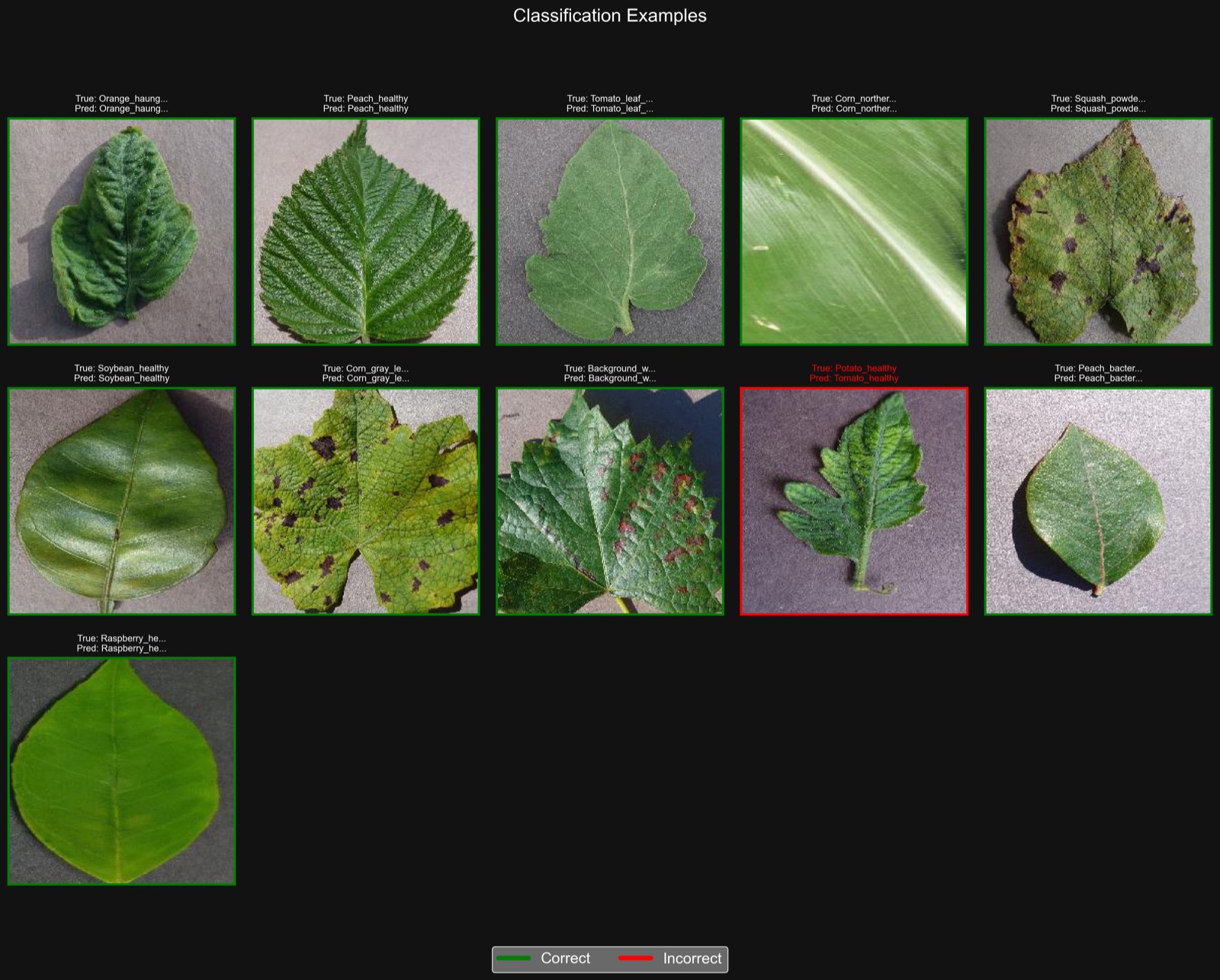
    Grid of plant-leaf photos with true and predicted class labels from the PlantDoc study, including one incorrect prediction highlighted.
    Classification examples from the public study report, including a labeled miss. These are evaluation figures from the experiment, not a field-deployed diagnostic or a client agriculture engagement.

    Who did the work

    Independent academic project by Jeremy Cleland.

    What the record demonstrates

    • A documented encoder-plus-attention architecture with two trained variants and published training reports
    • Held-out evaluation figures: confusion matrix, ROC curves, calibration, and labeled correct/incorrect examples
    • An inspectable dataset analysis dashboard covering class balance, image size, and augmentation examples

    What it does not prove

    • This is an academic experiment, not a mobile field tool, agronomy product, or production deployment.
    • Published accuracy and F1 figures are study metrics on the project’s dataset split; they are not claims about farm outcomes or unseen growing conditions.
    • The work is not presented as a ClelandCo client engagement or as medical/agricultural advice.

    Consulting relevance

    AI Strategic Advisor

    Shows how classification claims can be inspected against labeled errors, calibration, and the dataset they came from—before anyone treats a model card as an operating input.

    Fractional CAIO

    The kind of architecture, split, and error record a part-time executive would require before a vision model entered a production or safety-relevant workflow.

Bring a decision, not a blank brief.

If one of these artifacts maps to a live operating question, the first call is for scoping the decision and the evidence it would require—not fitting it to a packaged offer.